
Is AI-written copy safe for cosmetics, food and supplement brands in India?
What Indian cosmetics, food and supplement brands must check when using AI for listings and ads, from regulated claims to marketplace rules and human sign-off.
Anadoris Digital · · 4 min read
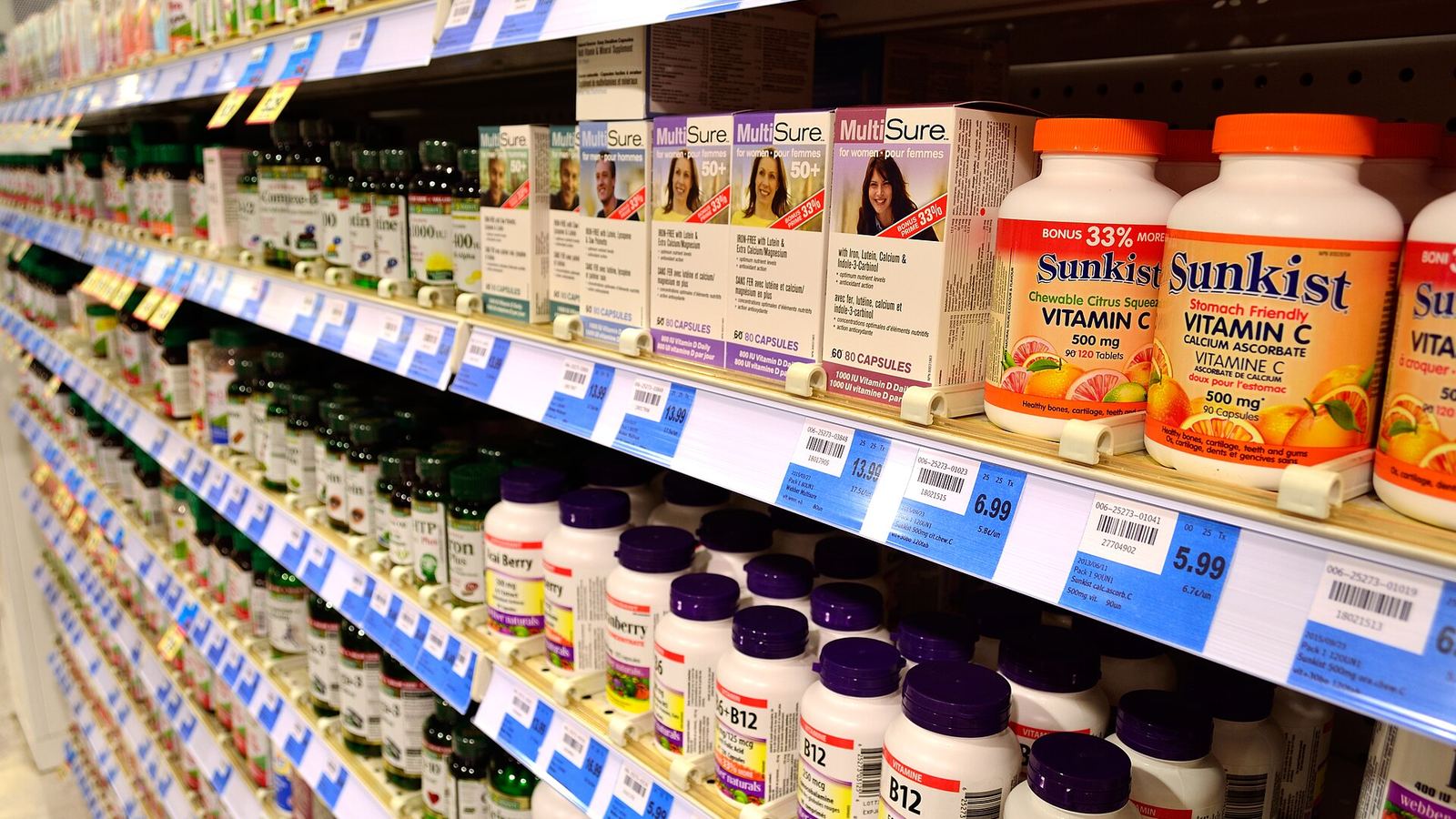
Beauty, personal care, food and wellness are among the most active D2C categories in India. They are also the categories where a single careless sentence can cause the most trouble. Words like heals, cures, boosts immunity, clinically proven or chemical-free carry regulatory meaning, and AI writing tools use them freely because they appear so often in marketing copy online.
AI is still useful for these brands. It speeds up drafting listings, captions and ad variations. The point is to treat it as a junior copywriter who does not know the rules, and to build a review step around that.
Why these categories need extra care
In India, cosmetics are regulated under drugs and cosmetics law, food and nutraceutical products fall under food safety regulation, and advertising across categories is subject to consumer protection rules and the advertising industry’s self-regulatory code. Marketplaces also enforce their own content policies and can remove listings. Each set of rules is detailed and changes over time, so the safest assumption is that any health, medical or performance claim needs a basis and the right wording.
The risk is not limited to formal regulators. Competitors, customers and consumer groups can complain about misleading advertising, marketplaces act on complaints quickly, and screenshots of a bad claim can circulate long after you correct it. Getting claims right the first time is far cheaper than fixing them after a complaint.
None of the claim types below are automatically forbidden in every case. Some can be used with the right evidence and wording. The problem is that AI adds them without evidence, so each one needs a deliberate decision by someone who knows the rules for your category.
This article is general guidance, not legal or regulatory advice. Confirm the rules for your specific products with a qualified regulatory adviser.
The claims AI is most likely to add
- Medical or therapeutic effects: treats acne, cures hair fall, reduces blood sugar, heals.
- Proof language: clinically proven, dermatologist-recommended, scientifically tested, without the evidence to back it.
- Absolute safety claims: no side effects, suitable for everyone, completely natural, chemical-free.
- Comparisons: better than other brands, the most effective, the only product that.
- Results with timelines: visible results in a set number of days, unless you hold the supporting data.
- Borrowed authority: suggestions of endorsement by doctors, institutions or government bodies.
A safer workflow
- Keep an approved claims list for each product, with the evidence or basis noted against each claim.
- Keep a banned words list for your category, agreed with your adviser.
- Give both lists to the AI with every drafting request.
- Ask the AI to flag any sentence that makes a claim, so the reviewer can check them quickly.
- Have a named person approve every piece of public copy before it goes live.
- Store approved copy and its approval date, so you can show what was published and why.
- Re-check approved copy whenever a formulation, supplier, pack size or regulation changes, and retire old versions everywhere they appear.
Ads, influencer briefs and social captions
Listings are not the only risk. Ad variations and social captions are produced in larger volumes, which makes it tempting to skip review. The same claim rules apply. When AI drafts briefs for creators and influencers, include your approved claims list and banned words, because their content is still promoting your product. Short formats encourage punchy language, and punchy language is where unsupported claims creep in.
AI can also help in the other direction. Once you have approved claims, it can generate many compliant ways of expressing the same claim, which gives your ads variety without adding risk. Ask it to rewrite an approved claim in different tones and lengths while keeping the meaning unchanged, then check that the meaning really is unchanged, since a small word change can turn a cosmetic claim into a therapeutic one.
Labels and packaging
Do not use AI to generate label text, ingredient declarations, nutritional information or mandatory statements. These must match your formulation and test reports exactly. AI can help check for typos or inconsistencies between your label and your listing, but the source of truth is the approved label, not the model.
The same applies to product information on your website such as nutrition tables, allergen statements and directions for use. Copy these from approved documents rather than letting AI reformat them, and recheck them whenever the formulation, supplier or pack size changes.
Where to start
Before using AI for any customer-facing copy, sit down with your regulatory adviser and build two short documents: approved claims per product and banned words for your category. Then pilot AI drafting on social captions, which are lower stakes, with full review. Move to listings and ads once the review step is working reliably. If you want the claims lists built into a drafting tool for your team, Anadoris Digital can set that up.
Related service: AI & Automation · More on this topic: AI & Automation articles