
Off-the-shelf or custom ERP: which suits a small D2C brand?
Off-the-shelf ERP is faster to start; custom ERP fits unusual workflows. How small Indian D2C brands should weigh fit, ownership, cost drivers and risk.
Anadoris Digital · · 4 min read
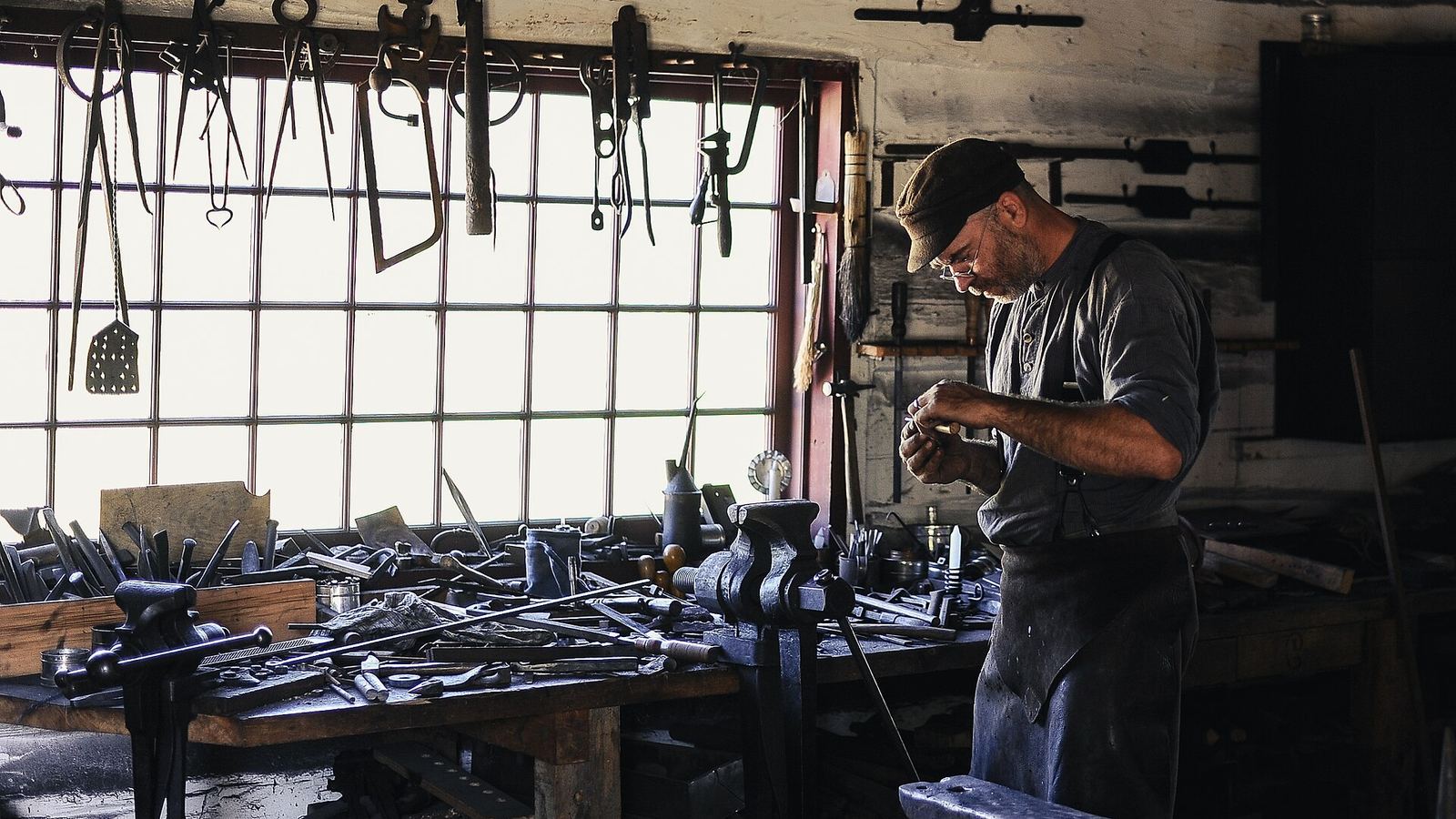
Founders often frame this as a binary choice: buy a ready product or build your own. In practice there is a spectrum. At one end is a standard cloud ERP used exactly as shipped. In the middle are configured systems with a few custom reports, fields and integrations. At the other end is a system built specifically for your business, often on an open framework.
Where you should sit depends on how standard your operation is, how much internal capacity you have to own software, and how quickly you need results.
What off-the-shelf ERP does well
- Common processes such as purchasing, inventory, invoicing and accounting work from day one.
- Indian requirements such as GST invoicing and return data are usually built in or available as add-ons.
- Updates, security patches and hosting are handled by the vendor for cloud products.
- Documentation, training material and a community of users exist.
- Getting started is relatively quick, because most of the work is configuration and data.
The trade-off is fit. Standard products are designed for many businesses, so some steps will not match how you work. You either change your process, accept a workaround or pay for customisation.
When custom makes sense
A custom ERP, or custom modules on top of a standard core, earns its cost when your competitive advantage depends on a process the market does not support well. Examples for D2C brands include unusual channel mixes with marketplaces or quick-commerce partners that standard connectors handle poorly, in-house manufacturing with specific batch or formulation rules, complex creator and affiliate payouts tied to orders, or deep links between operations and customer data.
Custom also gives you ownership. You control the roadmap, data model and integrations. The cost is responsibility: someone must maintain, secure, host and improve the system for as long as you use it.
Hidden costs on both sides
Off-the-shelf systems can become expensive through per-user licences, paid add-ons for features you assumed were included, and heavy customisation that makes upgrades difficult. Custom systems can become expensive through ongoing developer time, missing documentation and dependence on one person or agency who understands the code.
In both cases, the largest cost is often internal time: cleaning data, defining processes, testing and training. That cost does not disappear whichever route you choose.
A practical decision checklist
- Write down your ten most important processes, step by step.
- Score how well each shortlisted product handles each process without customisation.
- Identify the processes that are genuinely unique to your business.
- Estimate how often those unique processes change.
- Check who will own the system internally after go-live.
- Confirm data export options, so you are never locked in.
- Compare the cost of changing your process with the cost of changing the software.
The hybrid approach most brands end up with
Many growing brands run a standard ERP for accounting, inventory and purchasing, and add custom pieces around it: a channel integration layer, a founder dashboard, a returns workflow or a manufacturer portal. The core stays upgradeable, while the edges match the business.
The rule that keeps this healthy is to customise at the edges, through APIs and separate modules, rather than editing the core product. Changes to the core make upgrades painful and can break when the vendor releases new versions.
Questions to settle before you decide
Ask yourself whether your process is different because it creates value, or simply because it grew that way. Many founders discover that half of their unique steps exist to work around old spreadsheets. Those are better changed than built into software. Keep custom work for the steps customers or partners would notice if they disappeared.
Also consider who will look after the system in three years. If the answer is unclear, lean towards standard products with good support and a large user base.
Whichever route you choose, insist on full access to your data in standard formats. Your stock, sales and accounting history belong to your business, not to the software provider.
One more test helps. Ask how quickly you need value. A standard product, well configured, can start removing spreadsheet work soon after the data is ready. A custom build needs design, development and testing before anyone benefits. If the business is struggling with stock and reconciliation today, the faster route usually matters more than perfect fit.
Where to start
- Map your core processes before looking at any software.
- Shortlist two or three standard products and test them with your own data.
- List the gaps and decide for each one: change process, workaround or custom work.
- Start with the standard core and add custom pieces only after go-live.
- Review the balance once a year as your operation changes.
Anadoris Digital works on both configured and custom ERP setups, and can help you decide where standard software is enough and where custom work pays back.
Related service: ERP Solutions · More on this topic: ERP Solutions articles